Yaroslavl region: a plastics plant runs on own gas power, with the grid kept as a backup
A plastics plant runs around the clock: injection molding machines, dryers, compressors. The load is steady and never switches off. Paying the grid 7.1 RUB/kWh for it cost more than generating the power on site. Two Weichai 400 kW gas generator sets in their own engine room produce power at 3.6 RUB/kWh including gas and maintenance. By the plant's calculation, the difference is 19.35 million RUB a year, and the project paid back in 13 months.
What stands on the site
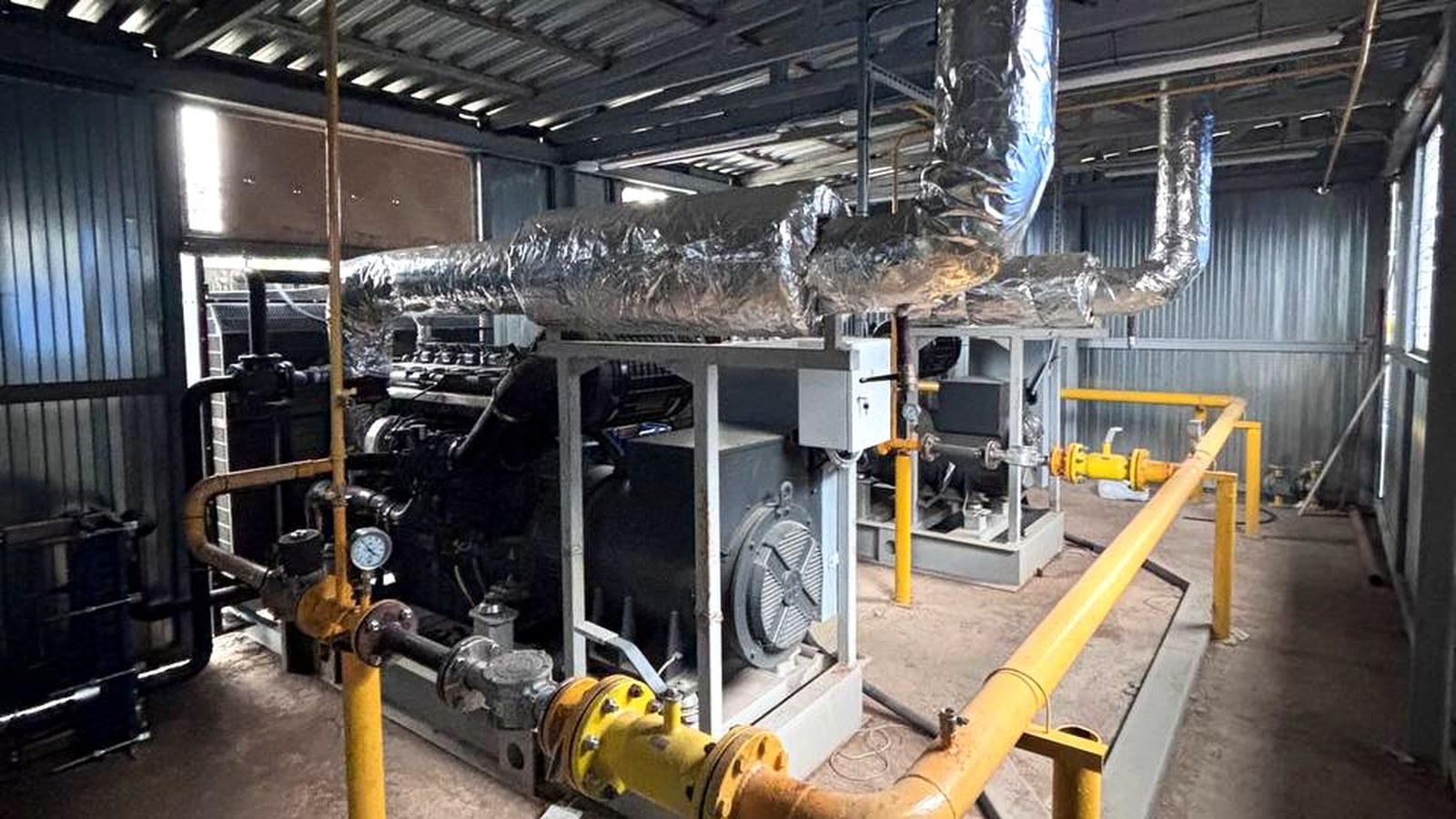
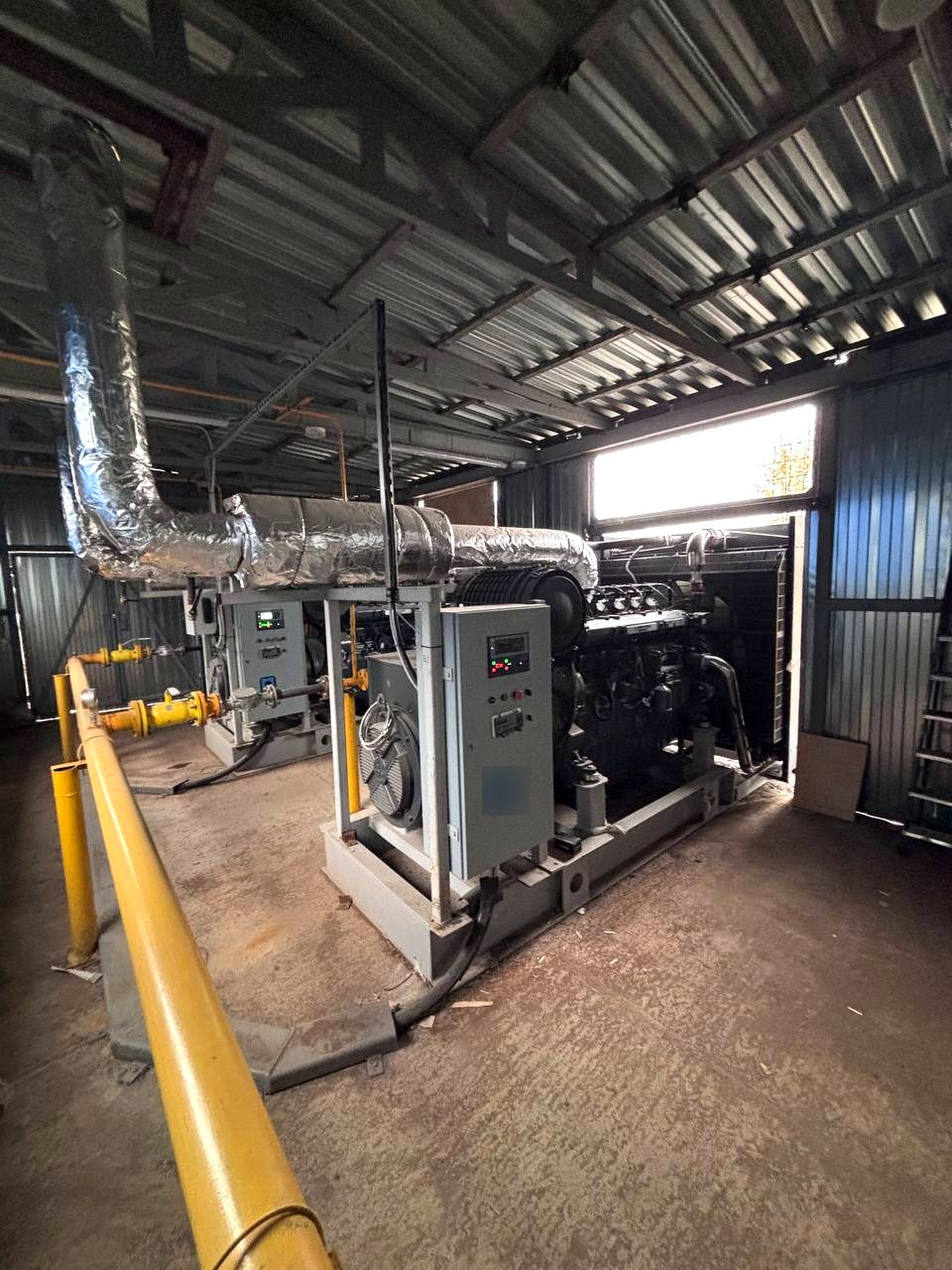
Open frame on a base inside a separate building; the building handles noise and weather.
400 kW PRP (320 kW continuous) each, open frame. Weichai (Baudouin) 6M33D450E310NG engine, ENGGA alternator. Maintenance every 500 operating hours, 60,000 operating hours to major overhaul.
Parallel operation controller: synchronizes the two units, shares the load and takes one out for maintenance on schedule without stopping the shop.
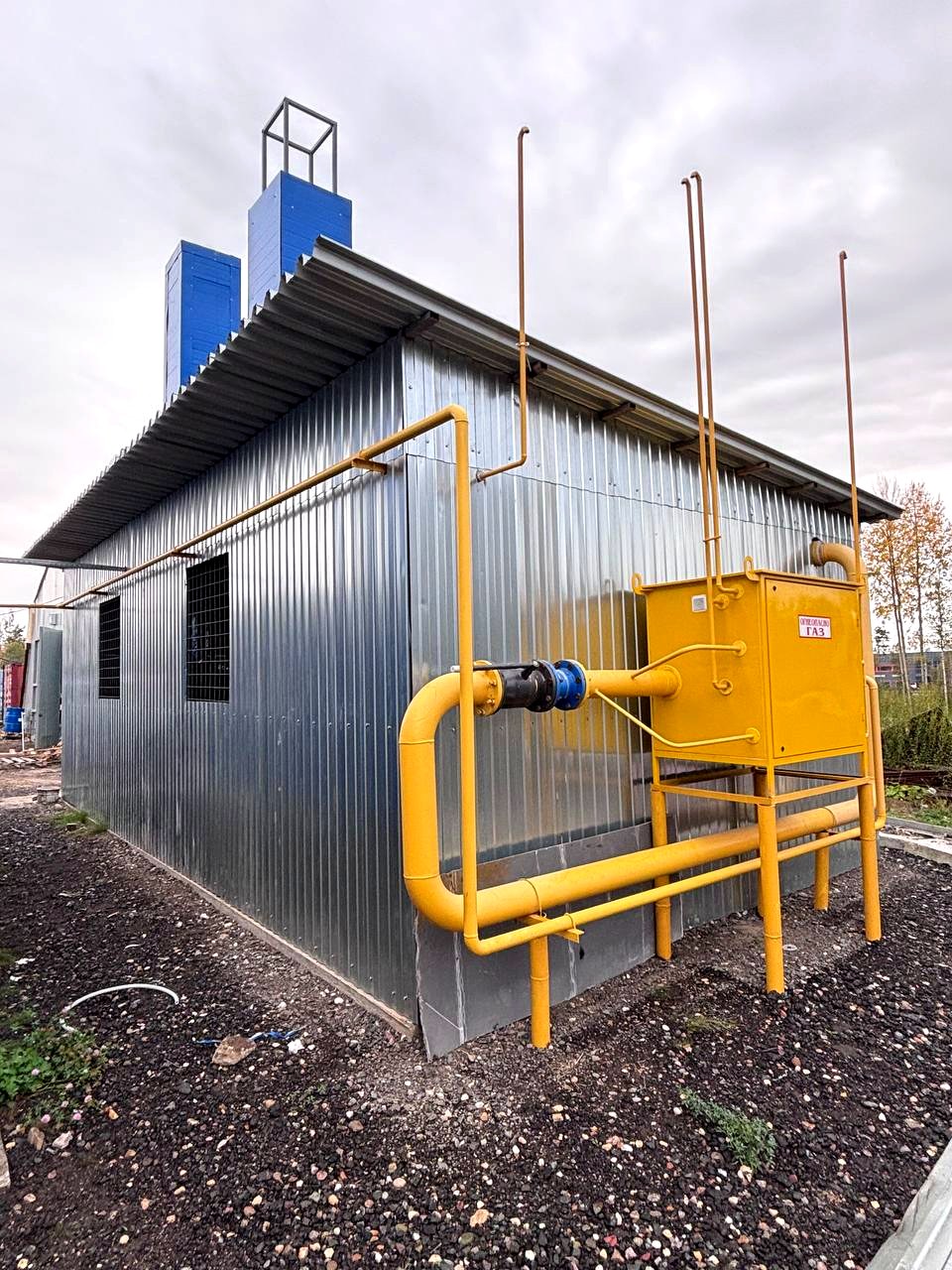
A separate steel-clad building on a concrete slab, a gas line with a pressure regulating cabinet, insulated exhaust stacks through the roof and remote cooling radiators.
How the plant moved to its own generation
From the power bills to the two units running in parallel.
We took the plant's actual bills: a steady 24/7 load of about 640 kW and a grid rate of 7.1 RUB/kWh. Own gas generation with maintenance comes to 3.6 RUB. A difference of 3.5 RUB on 5.5 million kWh a year is 19.35 million RUB. With 21 million RUB invested incl. VAT, the project pays back in 13 months.
For 640 kW of constant load we installed two WPG500NG at 400 kW each (320 kW continuous), not one 800 kW unit. Maintenance on one unit does not stop the shop, and when the load drops at night the second unit simply switches off. A DEIF AGS 150 Extended controller runs parallel operation and load sharing.
The equipment was not paid for out of working capital: the gensets and controller were leased through a Russian leasing company. The payment is covered by power savings from the first month, and VAT is reclaimable.
While the gensets were on their way, a separate steel-clad building went up: a slab, a gas line with a pressure regulating cabinet, exhaust stacks through the roof and remote radiators at the end wall. The radiators are outside so that hot air is not pushed through the engine room.
The gensets stand on frames in the engine room, the exhaust is insulated and routed through the roof, and gas reaches each unit by its own line. The video was shot in the running hall: you can hear both units and see how much service space is left.
In operation
- 24/7 operation under the plant's steady load; maintenance in turns without stopping the shop
- Radiators moved outside: no hot air or extra fan noise in the engine room
- Gas to each unit by its own line through a shared pressure regulating cabinet
Photos from the site
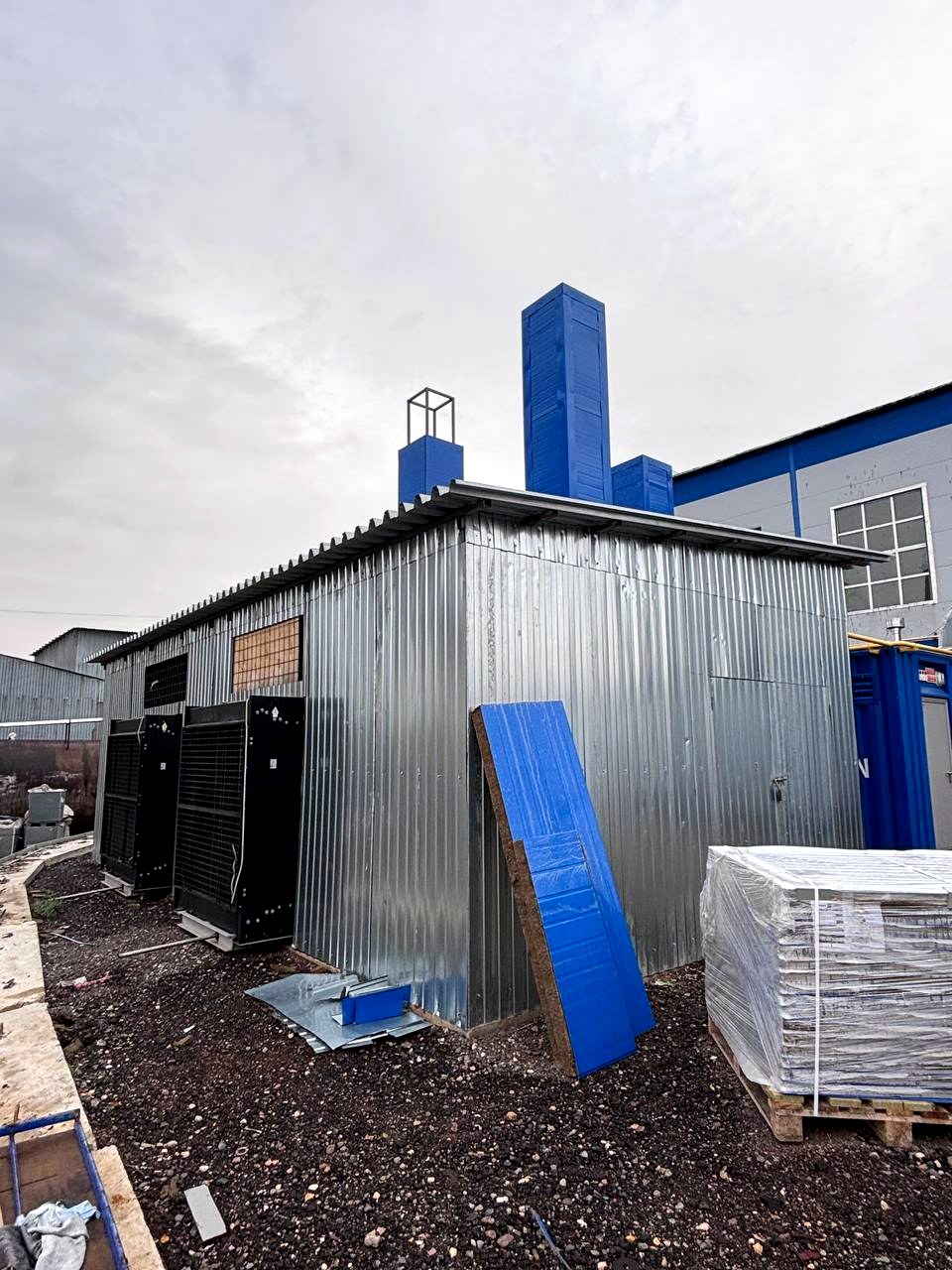
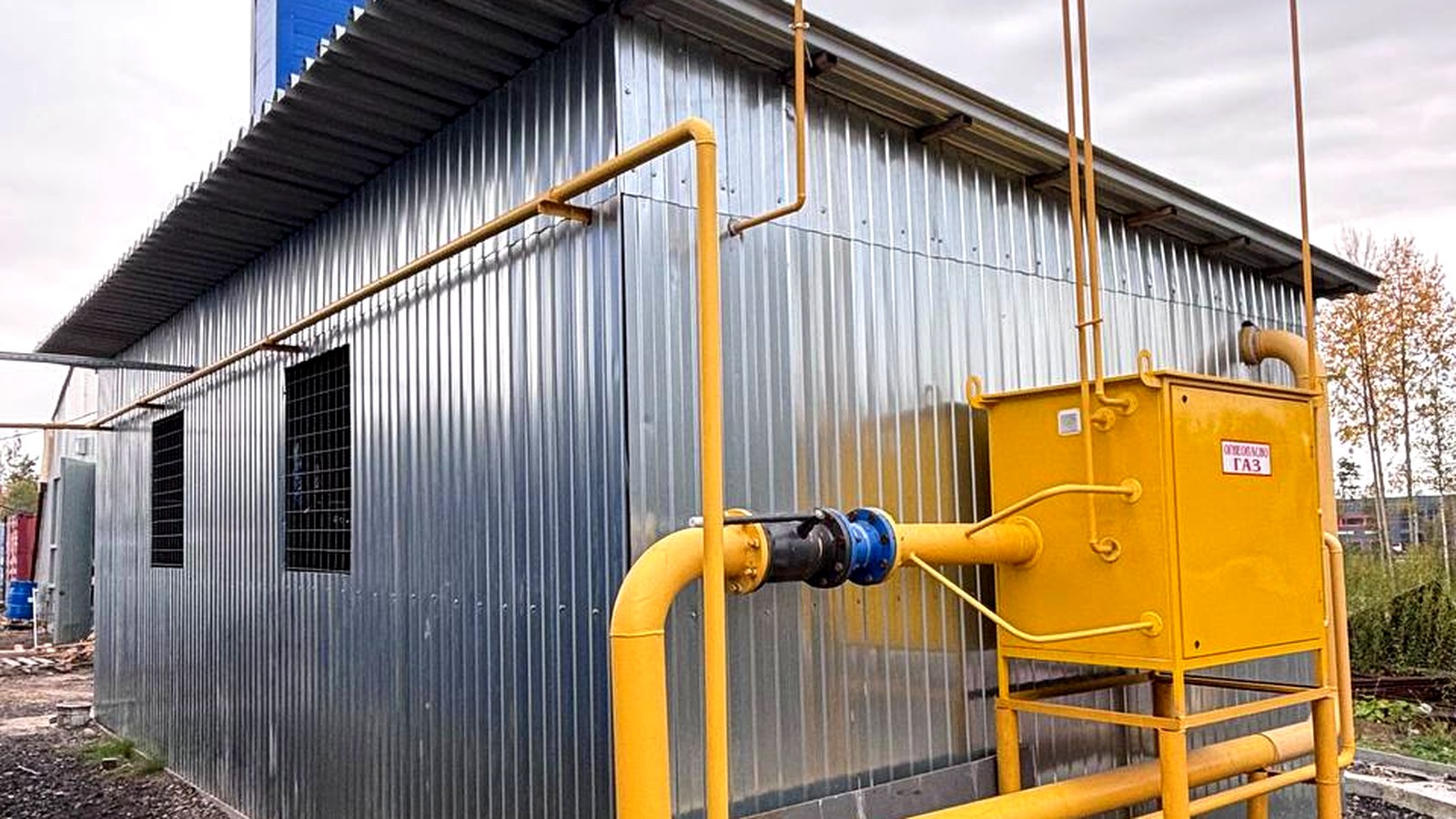
The grid rate of 7.1 RUB and the 640 kW load are from the calculation at launch; actual annual generation and the commissioning month are being confirmed. The savings and payback are this client's case, not an offer or a forecast for your site.
Questions
Where do the 19.35 million RUB of annual savings come from?
From arithmetic on the plant's bills: 640 kW constant load × 24 hours × 360 working days = 5,529,600 kWh a year. Grid rate 7.1 RUB, own kWh 3.6 RUB including gas and maintenance: a difference of 3.5 RUB. 5,529,600 × 3.5 = 19,353,600 RUB. Five days a year are reserved for scheduled stops. These are the client's figures at launch, not a forecast for another site.
What goes into 3.6 RUB per kWh?
Gas from the local distribution network at the industrial tariff, oil, scheduled maintenance and spare parts per the maintenance schedule. The figure moves with the gas tariff and is recalculated at every change.
What happens to production when a unit is in maintenance?
Nothing. Two 400 kW units instead of one 800 kW unit were chosen for exactly this: the DEIF controller takes one unit out for maintenance and the other carries the shop. The grid connection stays as a backup in case both stop, but in normal operation the plant does not draw from the grid.
Will this work for my plant?
If a load of 200 kW or more holds for most of the day and you have gas, very likely yes. We calculate from your bills: constant load, grid rate, gas price. You get a payback estimate, not a presentation.
Other projects


Related
Talk to the team
We answer in English. Tell us what you are looking for (hosting, equipment or an investment) and we will come back with numbers, documents and, if you wish, a video tour or a site visit.