Power generation on associated petroleum gas
Gas gensets on associated petroleum gas (APG): treatment to the engine's requirements, electricity and heat for the oilfield, flaring cut. Calculated from your gas analysis.
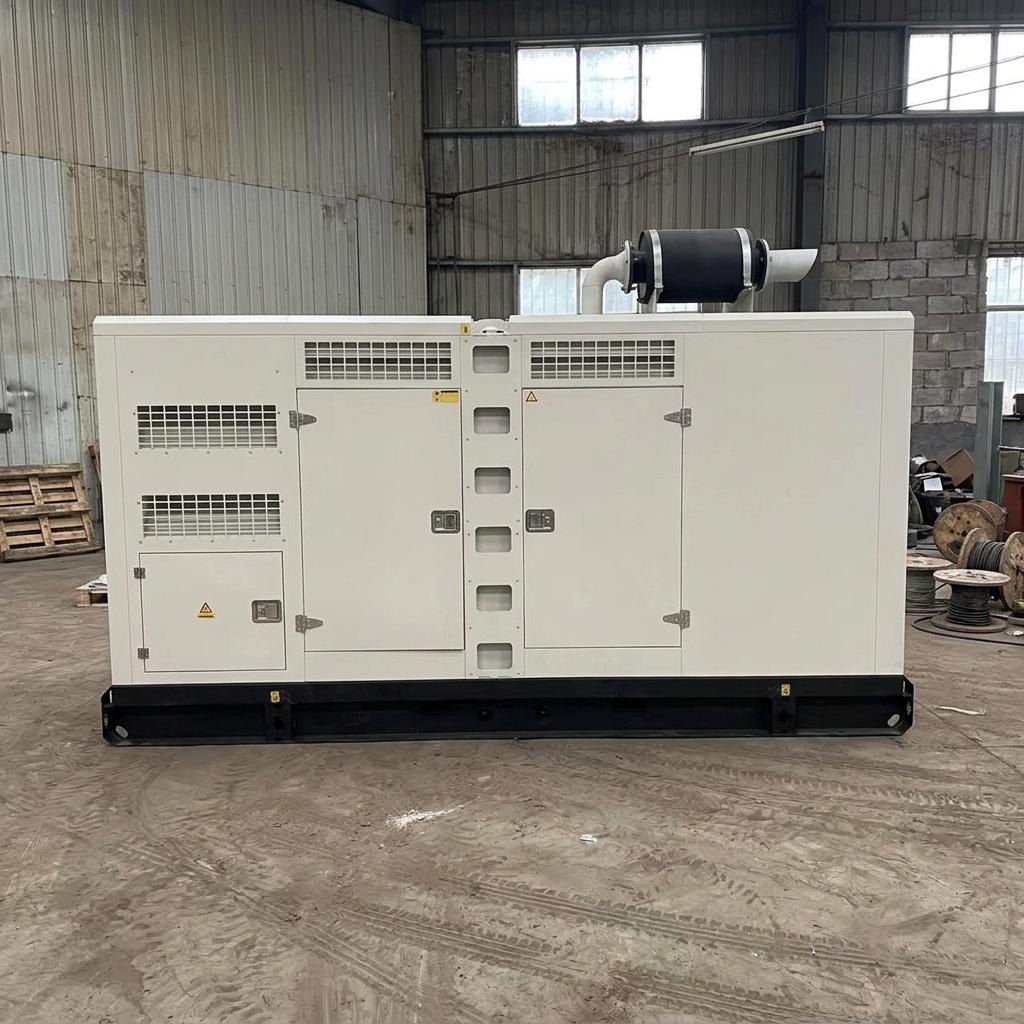
Associated petroleum gas can be flared, with emission charges, or turned into electricity and heat right at the production site. For that the gas has to be treated: water, heavy hydrocarbons and sulfur removed. Treatment costs money, but the gas itself is almost free, and the economics work.
Our 40+ gensets in the Saratov region run on natural gas. APG projects are done together with a partner who designs and builds the gas treatment; we supply, install and service the gensets and bring everything into one project.
How the gas is treated
About 58% methane and 21% propane and butanes, plus water, oil droplets and hydrogen sulfide.
Water and oil droplets are removed and returned to the oilfield.
Moisture and heavy hydrocarbons are removed; the condensate can be sold.
Hydrogen sulfide, which corrodes metal and oil, is removed.
Gas pressure is brought to the genset's requirements.
Gas with a methane number of at least 87 goes to the engine: power for the oilfield, mining and heat.
Flaring vs a gas genset
| Flaring | Genset with gas treatment | |
|---|---|---|
| Gas | Burned with no use | Fuel for the genset, almost free |
| Emission charges | Above 18% with a factor of 25 | Flaring is reduced |
| Power for the oilfield | From the grid or diesel | Own, from own gas |
| Surplus power | None | Mining on site, heat for oil heating |
| By-product | None | Gas condensate after NGL removal |
How we work
You send the gas analysis (chromatography), the daily volume and the pressure.
We choose the treatment scheme and the genset size and calculate the economics.
We supply, install and commission the gensets. The gas treatment unit is designed and installed by our partner; we bring it into one project.
We service the gensets and, if you wish, place mining on the surplus power.
Gensets for treated APG
Weichai engines need gas with a methane number of at least 87 after treatment. Jichai offers versions for associated petroleum gas.
| Model | Power | Engine | Gas at full load | Open-frame price, incl. VAT |
|---|---|---|---|---|
| Weichai WPG500In stock: 3 | 400 kW (320 continuous) | Weichai (Baudouin) 6M33D450E310NG · 1,500 rpm | 85 m³/h | 7,990,000 RUB≈ $97,300 |
| Jichai 400GF-TK1 | 400 kW | 12V190DT-2 · 1,000 rpm | ≈ 136 m³/h | 7,990,000 RUB≈ $97,300 |
| Jichai 500GF-T | 500 kW | 12V190ZDT-2 · 1,000 rpm | ≈ 170 m³/h | 12,900,000 RUB≈ $157,000 |
| Jichai 750GF-T | 750 kW | C12V190ZLT-2 · 1,000 rpm | ≈ 213 m³/h | 22,900,000 RUB≈ $278,800 |
| Weichai WPG1000 | 800 kW (670 continuous) | Baudouin 12M33G10N0/5 · 1,500 rpm | to be confirmed | 28,452,000 RUB≈ $346,300 |
| Jichai 1100GF-T | 1,100 kW | H16V190ZLT-2 · 1,000 rpm | ≈ 302 m³/h | 31,900,000 RUB≈ $388,300 |
| Jichai 1200GF-T | 1,200 kW | L12V200ZLT-2 · 1,000 rpm | ≈ 322 m³/h | 34,900,000 RUB≈ $424,800 |
| Weichai WPG1375 | 1,375 kW (1,100 continuous) | Baudouin 16M33G6N0/5 · 1,500 rpm | to be confirmed | 35,000,000 RUB≈ $426,000 |
Prices are for the genset on an open frame, incl. VAT, excluding canopy, delivery and commissioning. ≈ $ at the Central Bank of Russia rate of 82.15 RUB/USD as of Nov 14, 2026. Contracts and payments in RUB.
What to look at
APG often contains less than 60% methane and a lot of propane and butane. Heavy hydrocarbons cause knock in the cylinders, water and oil droplets foul the engine, hydrogen sulfide corrodes metal and oil. On untreated gas the unit loses power and wears fast.
In a typical example the methane share rises from 58% to 82% after treatment, and propane and butane fall to about 3%. Weichai engines require a methane number of at least 87.
Since September 23, 2026, Government Resolution No. 1221 allows flaring no more than 18% of produced APG in 2026–2029, 13% from 2030, then 9% and 5%. Above that share, emission charges apply with a factor of 25.
When the gas costs almost nothing, the cost of a kWh is service, staff, infrastructure and gas treatment. We calculate treatment for your gas analysis: it depends on the composition and volume.
Related pages
Case studies and articles
Questions
What minimum gas volume is needed?
A genset with 320 kW of continuous power uses about 100 m³ of treated gas per hour, about 2,400 m³ a day. We calculate it more precisely from the heating value of your gas.
Have your gensets run on APG?
Our 40+ gensets in the Saratov region run on natural gas. We do APG projects together with a partner who installs the gas treatment and brings the gas to the manufacturer's requirements.
What happens to the condensate?
It is collected and sold or used for the oilfield's needs: propane, butane and heavier fractions.
Can we skip treatment and run at a lower load?
Not on Weichai engines: the manufacturer requires a methane number of at least 87. On raw APG the unit loses power and wears fast, so the saving on treatment goes into repairs.
Talk to the team
We answer in English. Tell us what you are looking for (hosting, equipment or an investment) and we will come back with numbers, documents and, if you wish, a video tour or a site visit.